+44 7856 312948
 support@editgardnercoaching.com
Your Wellbeing, Reimagined –
Natural Solutions for Women & Workplaces
From individuals seeking pain-free periods to employers building inclusive workplaces, The Wellbeing Edit Ltd bridges science, strategy, and lived experience.Why The Wellbeing Edit?
We specialise in women’s health – supporting individuals to reduce debilitating menstrual pain and employers to reduce hormone-related absenteeism. Our unique approach blends over 20 years of experience, advanced academic research, and evidence-based natural strategies.
For Women
Pain-Free Period Protocol™
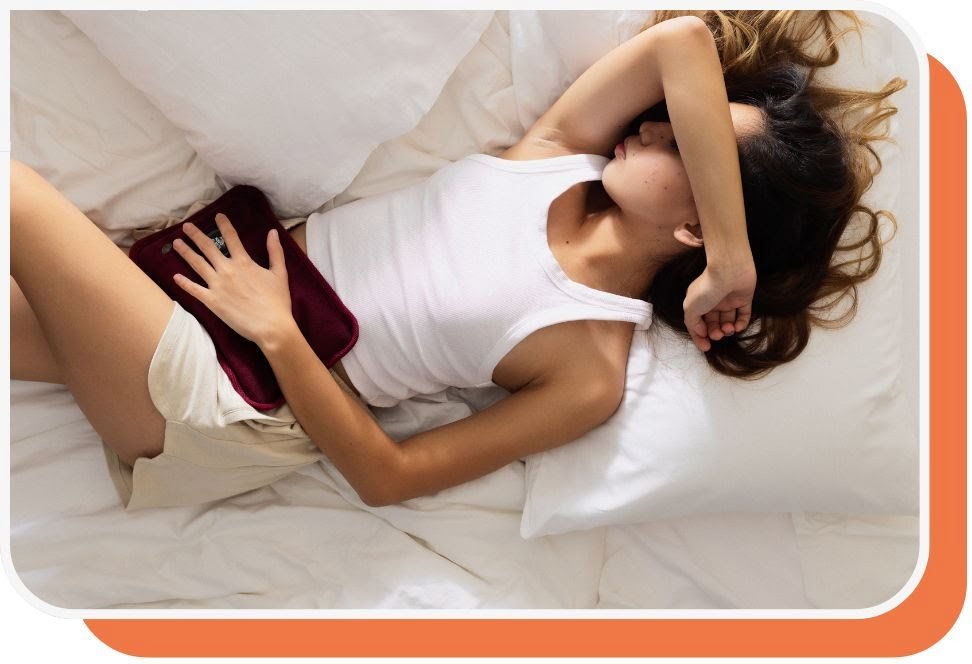
A 12-week, evidence-based programme helping women aged 18–35 reduce debilitating period pain, balance hormones, and regain control of their lives.

For Employers
Cycle-Aware Workplace Wellbeing
Tailored workshops, training, and programmes that reduce absenteeism, improve productivity, and support inclusive workplace culture.
Made for You
Free Resources
For Women
Download your free guide
What’s Silently Fuelling Your Period Pain? 7-Step Hidden Triggers Checklist
For Employers
Download your free HR checklist
A comprehensive HR checklist from menstruation to post-menopause
Our Blog
Insights & Resources

Inflammation and Period Pain: What the Research Shows and What You Can Do
Inflammation and Period Pain: What the Research Shows and What You Can Do If Inflammation Builds Quietly, What Happens During Your Period? In Part 1, we explored how chronic inflammation develops gradually long before symptoms explode. Now the question becomes more...

Chronic Inflammation Causes in Women: Why Symptoms Build Slowly
Chronic Inflammation Causes in Women: Why Symptoms Build Slowly Has Your Body Really “Suddenly Changed”? Have you ever felt like your body changed overnight? One month your periods were manageable. Then suddenly they were not. One year your energy felt stable....

Eating Well Feels Impossible When You Are Exhausted. Here Is Why That Makes Sense
Eating Well Feels Impossible When You Are Exhausted. Here Is Why That Makes Sense If you know what to eat but still struggle to follow through, you are not alone. Many women reach a point where nutrition knowledge is no longer the problem, yet consistency still...